The impact of climate change on nuclear waste management: the work package 11 of the EURAD-2 project
WP11 „CLIMATE“ of the EURAD-2 project aims to identify knowledge gaps and provide recommendations for future research needs on the impact of climate change on radioactive waste management facilities and sites (predisposal; shallow and near surface low level waste, LLW; deep geological repositories, DGR, for low and intermediate level waste LILW, and high-level waste HLW) during construction, operation and post-closure phases.
The Methods and Techniques for Nuclear Security, Monitoring and Traceability Section (TNMT) of the Nuclear Department of ENEA (Italy) is involved in the Tasks 3, 4 and 5.
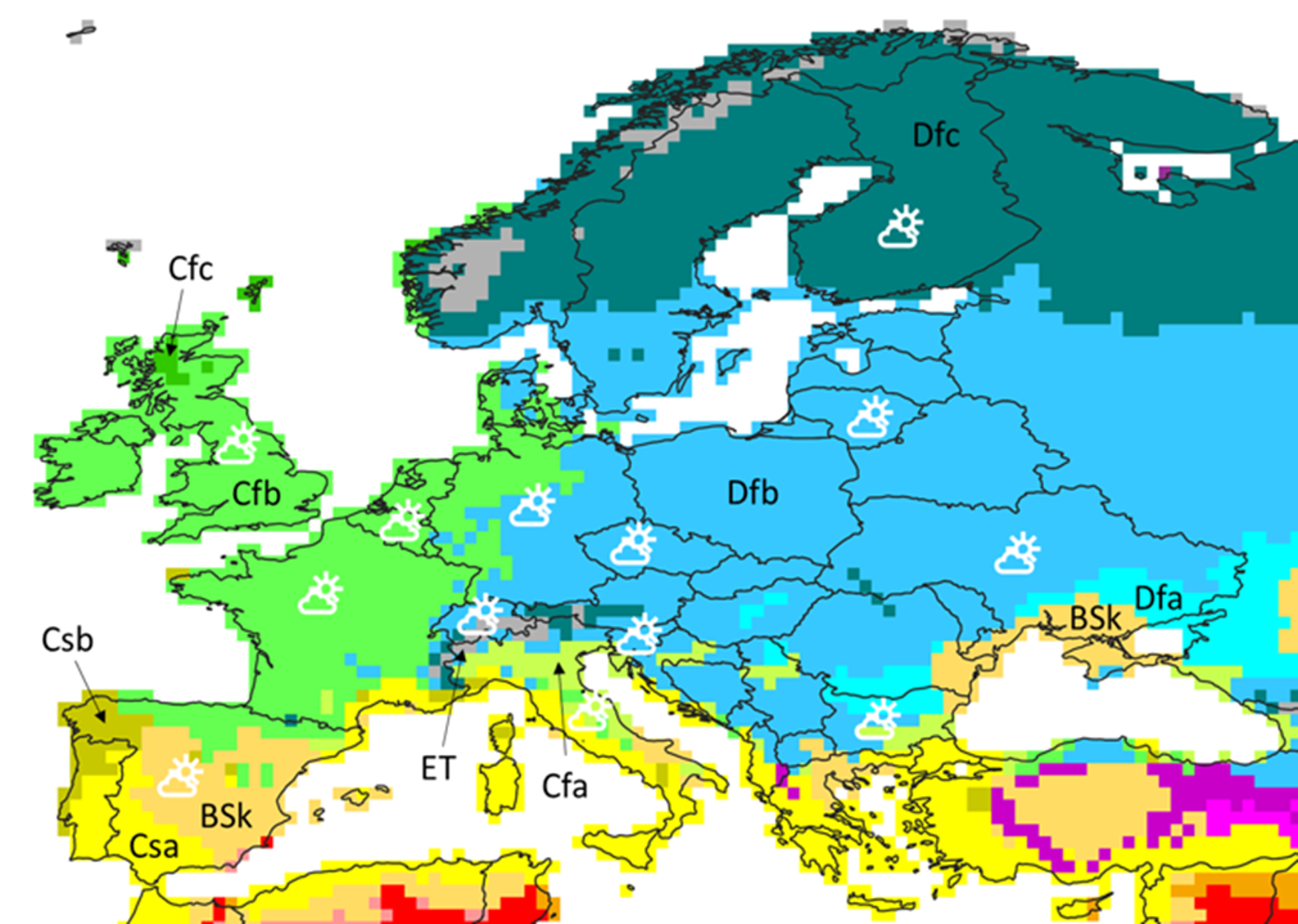
Task 3 focuses on evaluating the impacts of climate change on radioactive waste management facilities during their construction and operational phases, aiming to identify knowledge gaps and recommend future research directions. It includes analyzing regulatory and institutional frameworks (Subtask 3.1), assessing climate scenarios and site-specific vulnerabilities across European climate zones using natural analogues (Subtask 3.2), and reviewing methodologies for climate-related risk assessment (Subtask 3.3).
Task 4 addresses the long-term impacts of climate change on radioactive waste disposal facilities during the post-closure phase, aiming to identify knowledge gaps and recommend future research directions. It involves analyzing existing international, European, and national regulatory frameworks (Subtask 4.1), assessing climate scenarios and site-specific vulnerabilities across different European climate zones using natural analogues (Subtask 4.2), and evaluating methodologies for climate-related risk assessment (Subtask 4.3). Key risks include changes in thermal conditions, geomorphology, sea levels, geological formations, hydrology, and ecosystems.
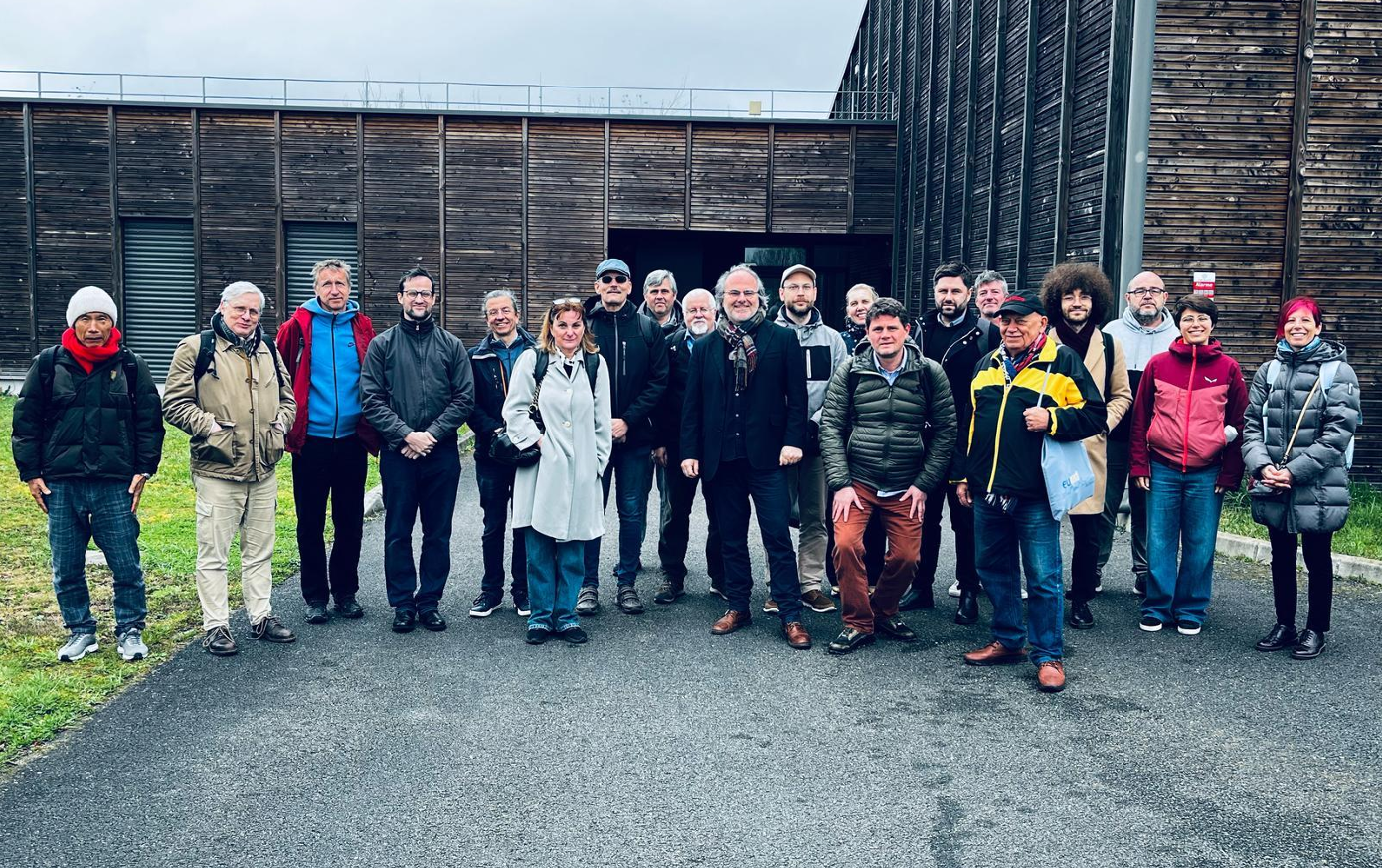
Finally, Task 5 focuses on fostering meaningful interaction with Civil Society regarding the socio-technical challenges and uncertainties linked to climate change impacts on nuclear waste management. It aims to coordinate collaboration among project partners and civil society experts—both within and outside the nuclear field—by identifying stakeholder perspectives, promoting transparent dialogue, and developing recommendations for effective information exchange. In this task, a technical visit regarding “climate change impacts on erosion rate for surface facilities“ was proposed on February 2025 in Nemours (CEREEP center).
In September 2025, the first annual event of the EURAD2 project was held in Bologna (Italy), where all the WPs of the EURAD-2 project were addressed, including WP11 – CLIMATE (Fig.4)

Chiara Telloli
ENEA – NUC-TNMT
chiara.telloli@enea.it