VUJE introduces a 3D VR training model that immerses nuclear power plant operators in realistic severe accident simulations.
VUJE, in cooperation with company EXE, has developed an animated 3D virtual reality model of the VVER 440 nuclear power plant, offering an immersive and realistic view of the primary circuit and safety systems for severe accident training.
The new 3D VR model developed by VUJE together with EXE brings the systems of a VVER 440 nuclear power plant to life. It visualizes key processes such as liquid and steam flows, temperature changes, hydrogen formation, radioactive particle presence, and core degradation during loss-of-coolant and other severe accident scenarios. The model is directly connected to the Bohunice plant full-scope simulator — the same licensed simulator used for operator training — with animations driven by real-time simulation data, including flows, levels, temperatures, and corium mass.
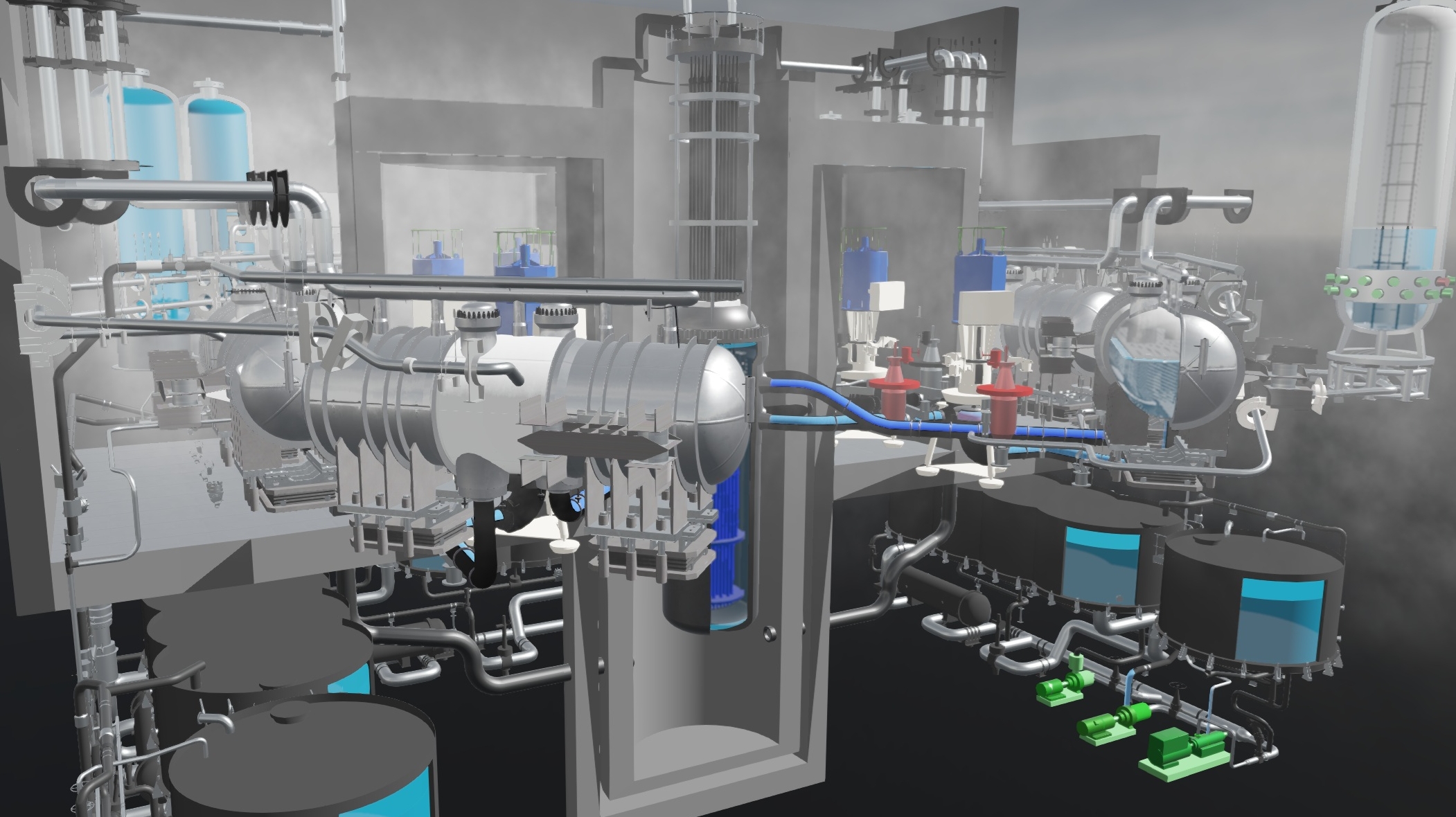
This innovative link between the simulator and the virtual model allows us to see in real time how physical parameters evolve inside the reactor and its safety systems during various accident conditions. While the simulator calculates the exact state of the plant, the 3D model transforms these data into a vivid, interactive visualization of what is happening inside the primary circuit, steam generators, and containment systems. The result is an immersive experience that bridges the gap between technical simulation and intuitive understanding.
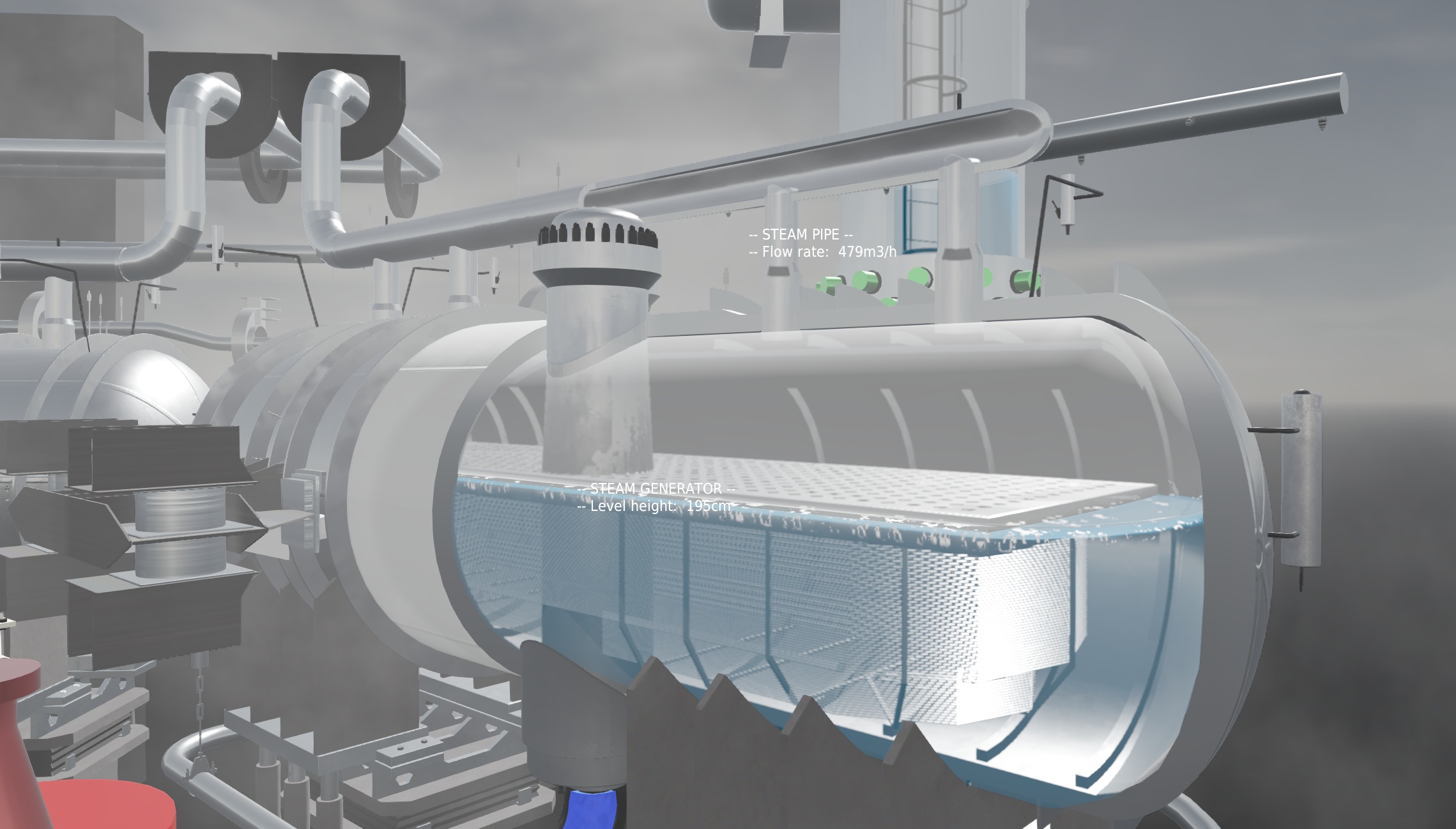
By defining key animations — such as levels in tanks, coolant flows, temperature distribution, hydrogen and steam formation, or nuclear particle presence — VUJE ensured that the model provides a realistic and educational view of processes that cannot be observed in real life. The model also depicts severe accident phenomena, including reactor core degradation and the formation of melted corium. 3D model also offers the offline mode and by disconnecting from the simulation model you can “play” with the view and animations triggering.
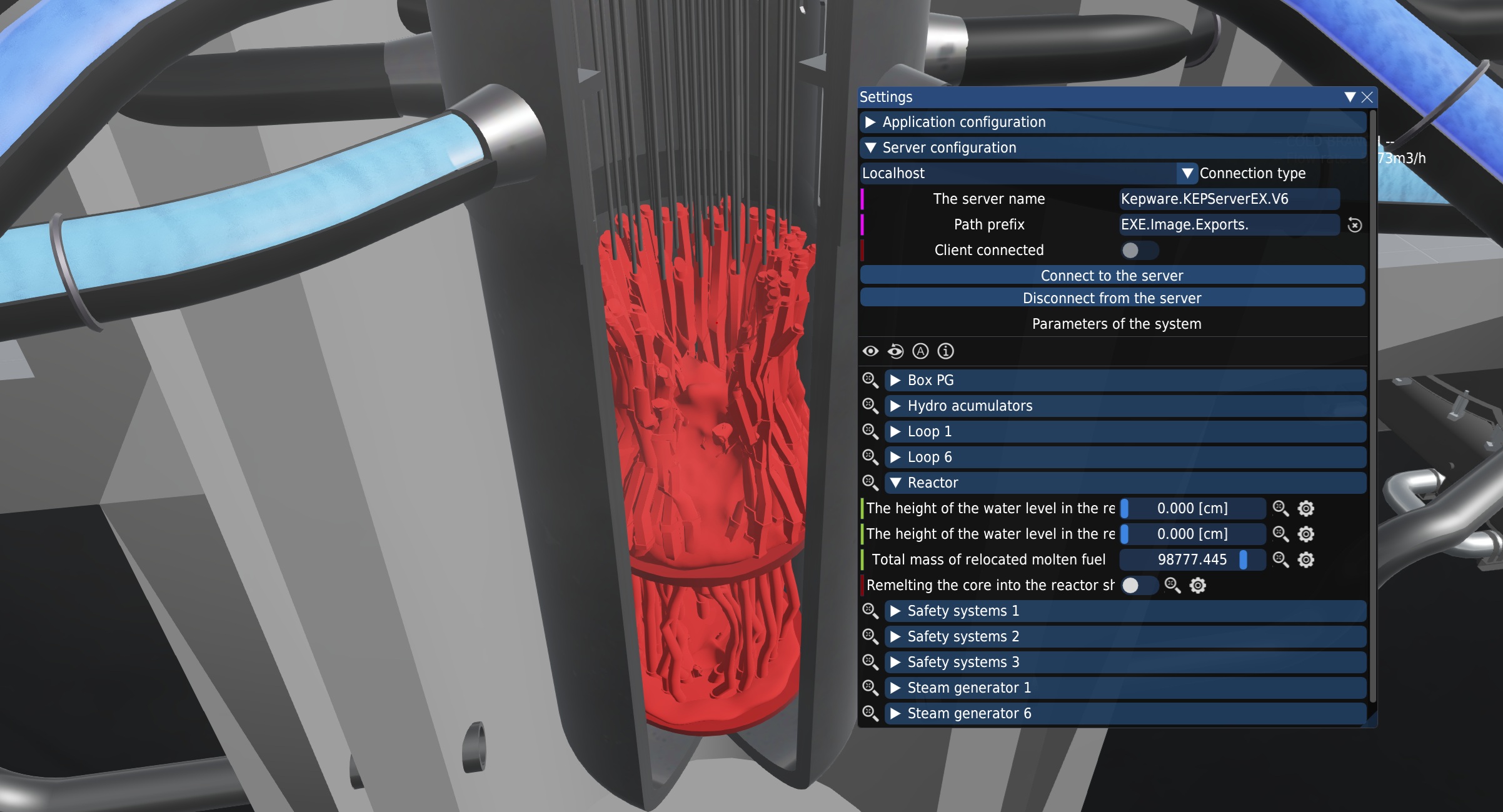
The main intention of the project is to strengthen severe accident training, offering operators and engineers an immersive look into accident progression and the behavior of plant safety systems. Such training approach helps participants better understand the timing and effectiveness of severe accident management actions and enhances their situational awareness.
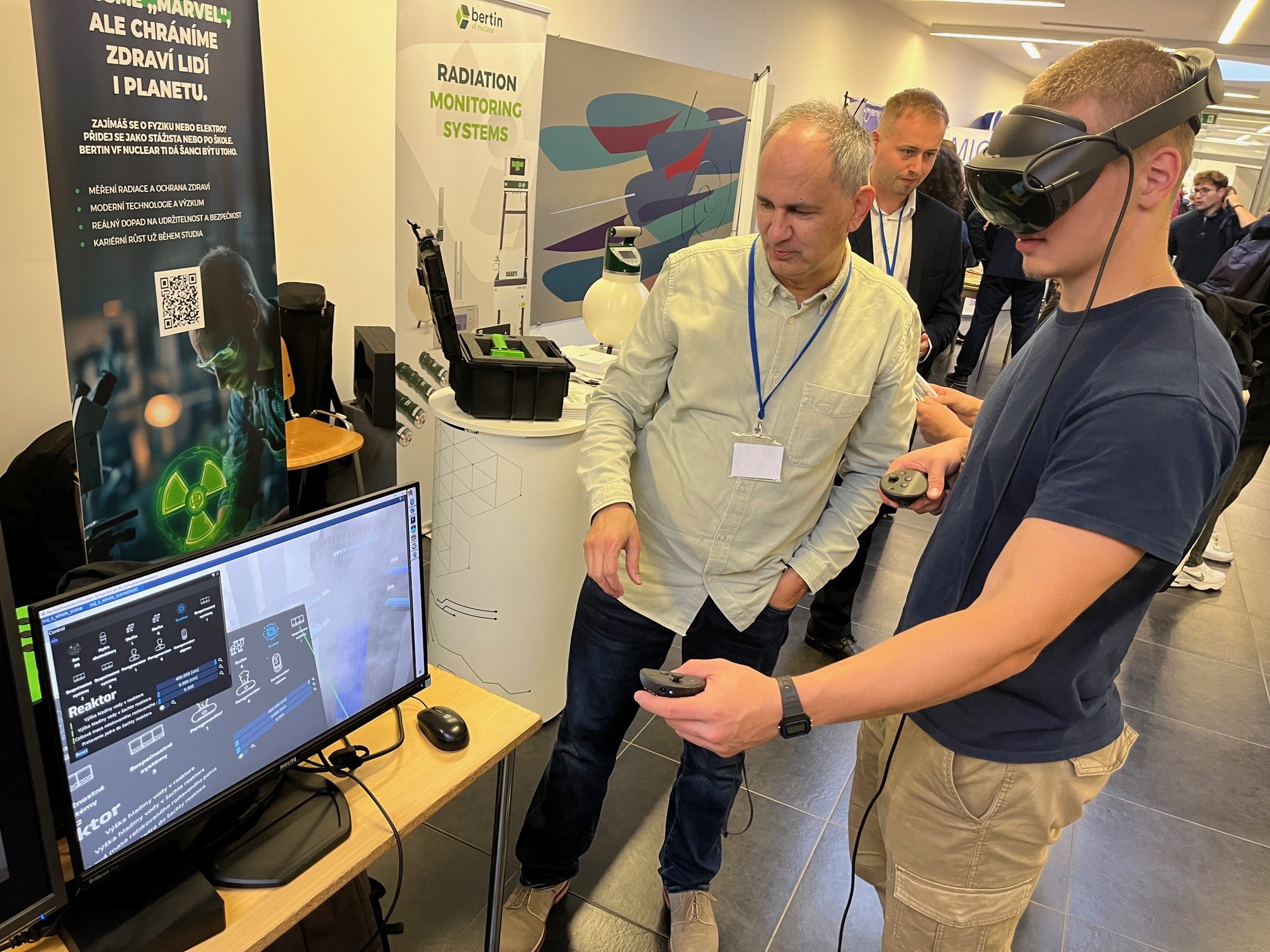
Beyond training purposes, the 3D VR model serves as a communication and educational tool for a wider audience. It can be used to raise awareness among nuclear professionals, students, and even the general public about how nuclear power plants respond under extreme conditions and how multiple safety barriers work together to protect people and the environment.
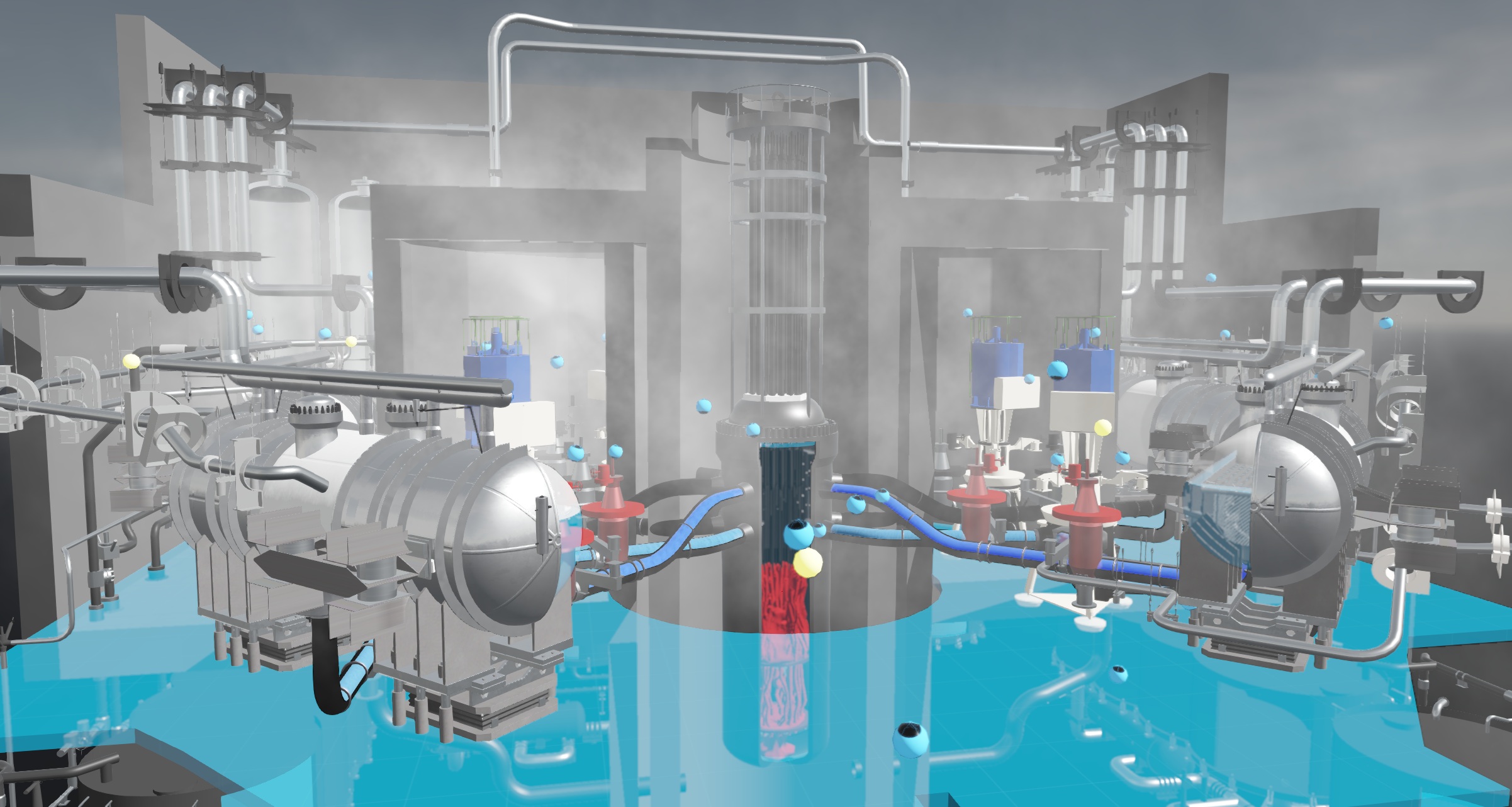
By combining its decades of expertise in nuclear simulation and safety with modern visualization technology, VUJE continues to innovate in the field of nuclear education and operator training. The 3D virtual reality model of the VVER 440 plant is a step forward in making complex nuclear processes understandable, tangible, and visually engaging — ensuring that the next generation of operators and engineers are better prepared for the most demanding situations.
Juraj Marec
VUJEjuraj.marec@vuje.sk